
Convenience and Emotion: The New Paradox in Consumer Behavior
29/07/2026
read full article
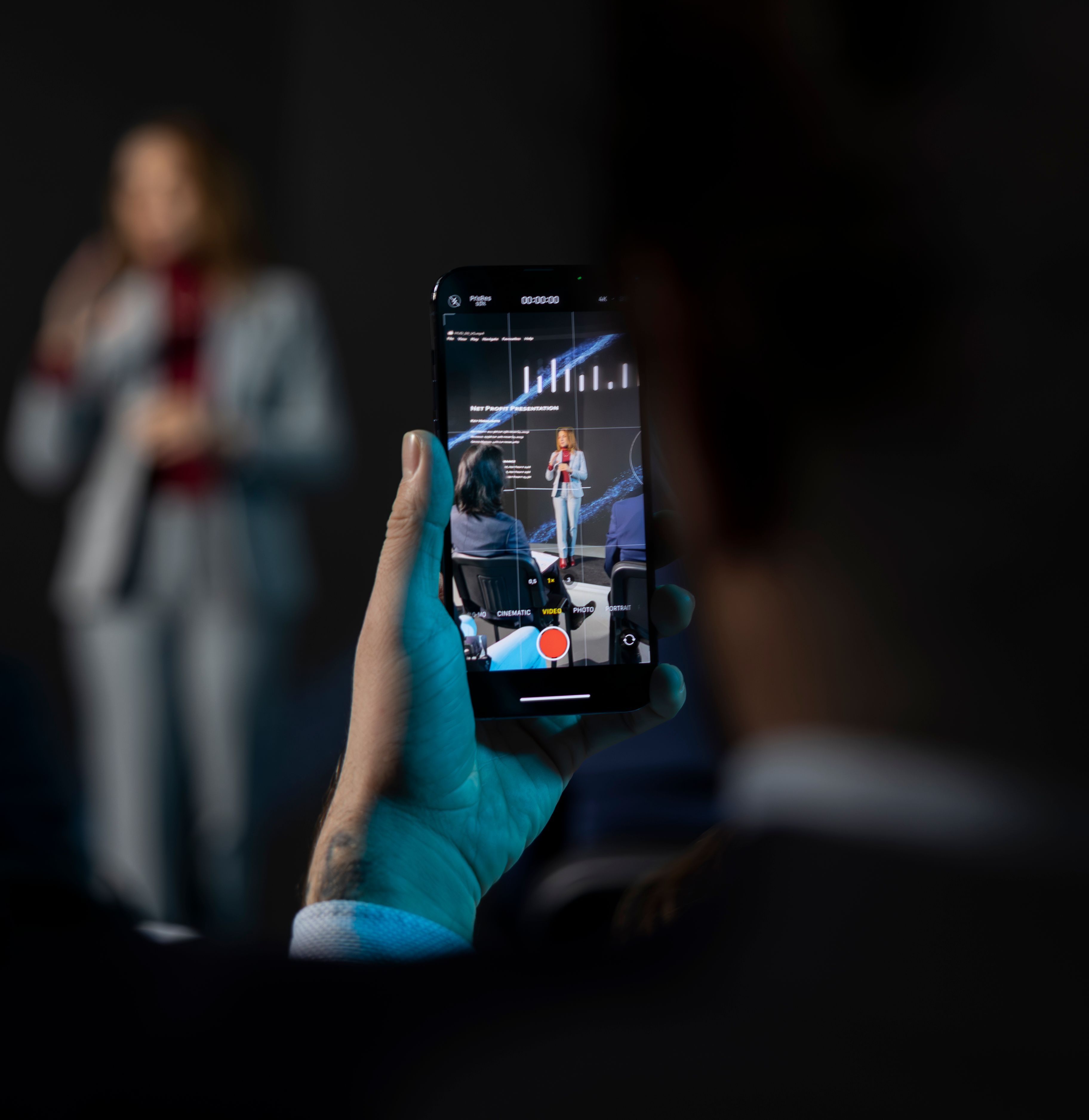
How vertical video, the POV format, and behind-the-scenes content are reshaping authenticity standards in marketing.
Vertical video is more than just a format for mobile screens; it has its own rhythm, composition, and storytelling style. Short shots, a personal tone, a POV perspective, behind-the-scenes moments, and raw footage create a sense of intimacy. A successful strategy begins with a clear idea and adapts production to audience behavior, rather than simply cropping а horizontal video.
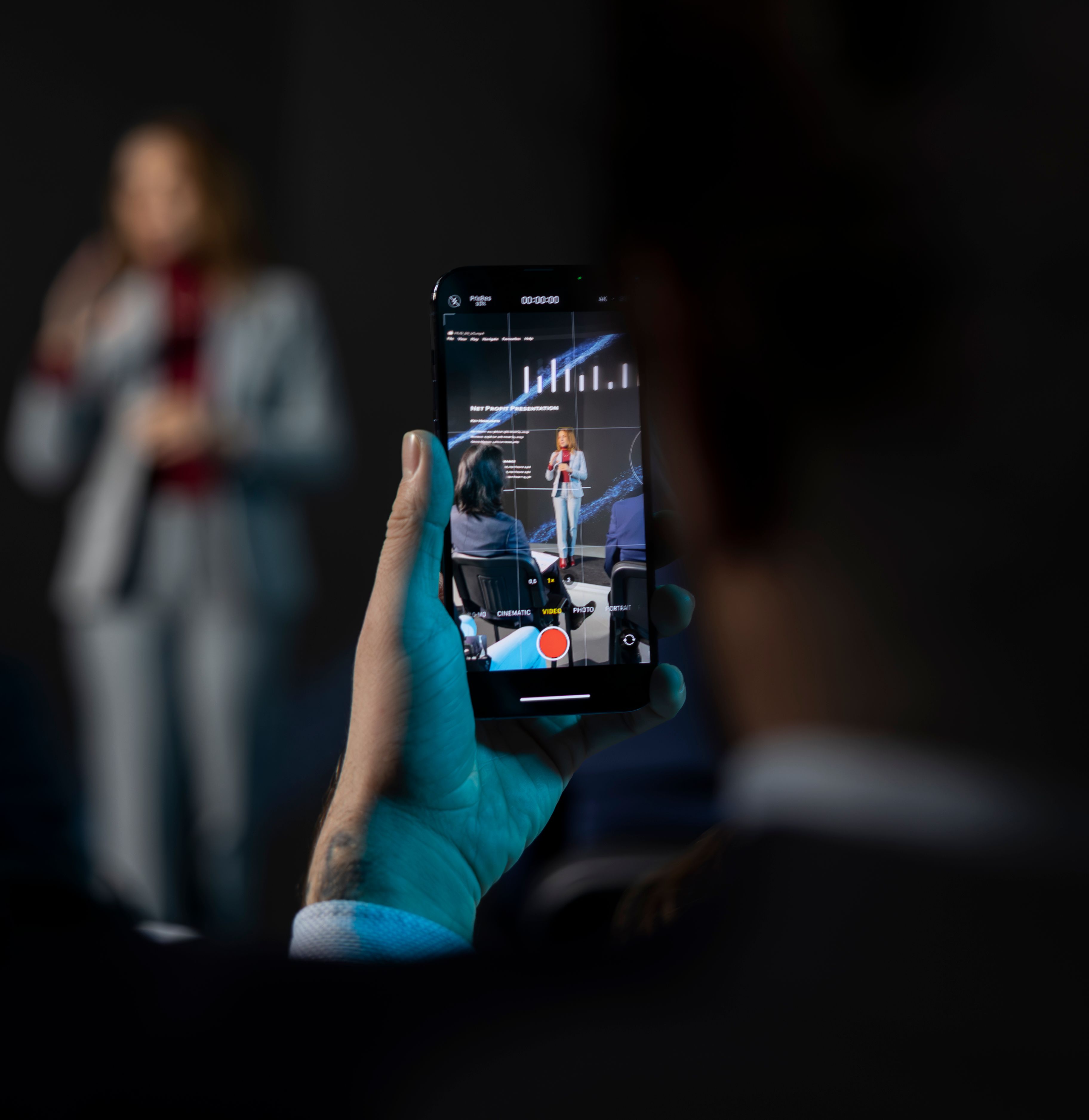
Someone is holding their phone on the bus. Another person watches a video one-handed while waiting for a meeting. A third sends a clip to a friend because they saw themselves in it. This is the setting where vertical video lives: not in a formal presentation, but in the moments between tasks, conversations, and decisions.
Many brands create vertical video by simply squeezing long-form footage into a narrow frame. While this technically produces a vertical file, it does not create vertical content. The vertical format operates on a different logic regarding attention, storytelling, and engagement. Video content needs to be planned at the conceptual stage, not tacked on at the end of a campaign.
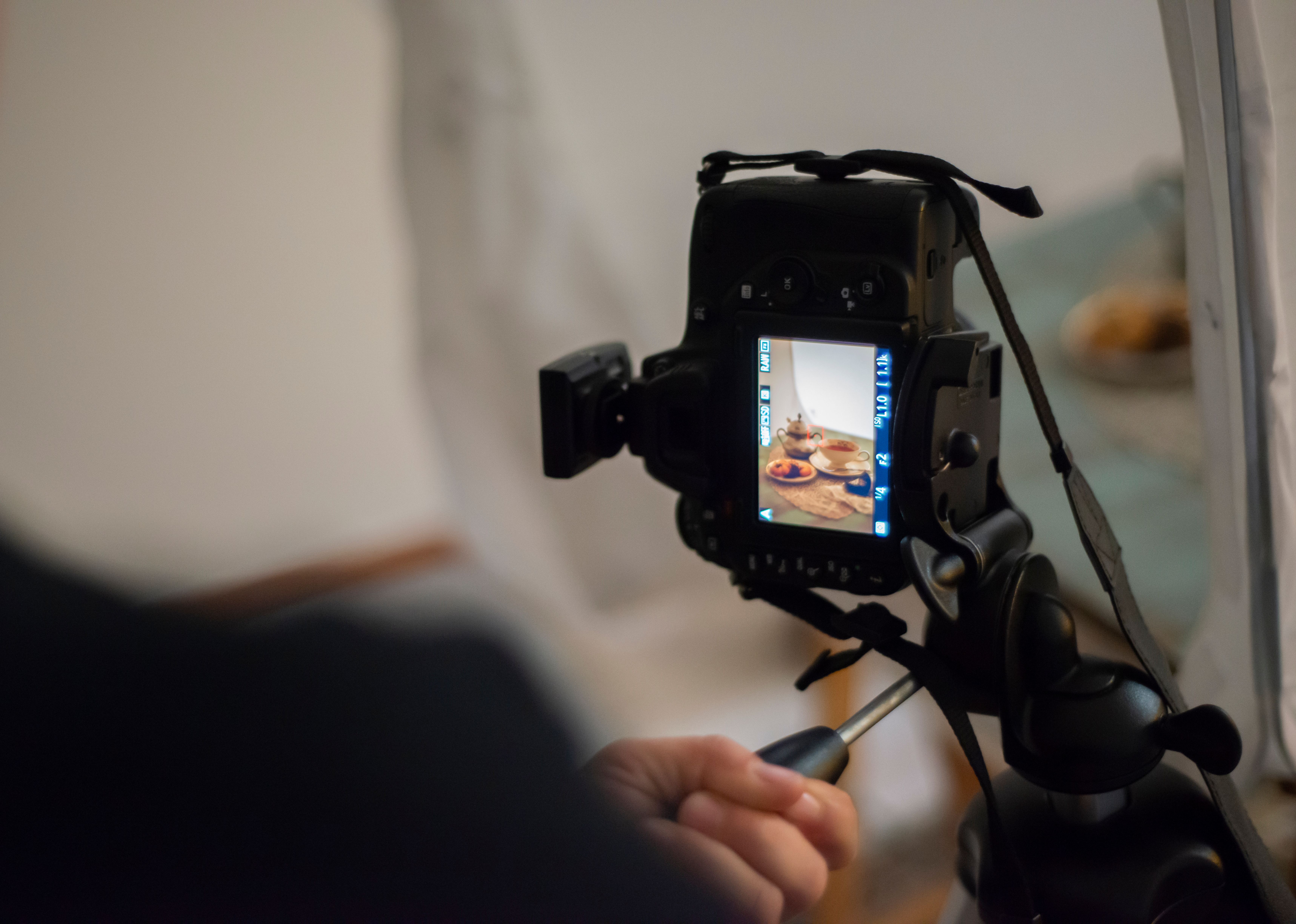
On set, there are two versions of the same scene. One is impeccably lit but feels distant. The other is closer to the subject, capturing their gestures, hesitations, and natural reactions. The latter isn't necessarily less professional; it is more relatable. At FRAGMENT, production begins by asking how the viewer should feel, before any thought is given to the shot itself.
A vertical video needs a strong opening moment that gives the viewer a reason to stay. This could be a question, a visual shift, an action, or the promise of a useful answer. The beginning doesn't have to be sensational; what matters is making it clear within the first few seconds why the video is worth watching.
Personal or situational context also plays a role. A POV shot, a demonstration, a conversation, or a behind-the-scenes moment can showcase the product in real-world use. When viewers see the product in a familiar setting, the message often comes across as more convincing than in an isolated product shot.
Short videos require a clear rhythm and visual clarity. The editing should maintain engagement, on-screen text must be easy to read, and the audio should aid understanding. Rapid cuts alone do not create dynamism; without structure, the video simply becomes noisy.
Authenticity does not imply a lack of preparation or control. It is felt when the person, the situation, and the language in the video are not artificially detached from the audience's reality. Good preparation should provide direction while leaving enough room for natural reactions.
A single core idea can take on various forms. It might start with a “hero” film or a key narrative, continue with a series of short vertical videos, and branch out into different creator-led versions. These can be complemented by behind-the-scenes content, expert explanations, answers to real questions, and community reactions.
This way, the production isn't tied to just one post. Instead, it creates a content library capable of engaging the audience at different stages of their journey - from initial discovery to a deeper understanding and the final decision.
Imagine the day a tech brand unveils a new product. Instead of simply shooting a sleek product video, the team creates a series of assets. One captures first impressions, another demonstrates the product in a real-world setting, a third offers a quick comparison, and behind-the-scenes content reveals how the campaign was created.
The “creator” version adds a personal touch, allowing the product to be viewed from a different perspective. While all the materials stem from a single core idea, they are tailored for different moments of discovery and various viewing experiences.
Not every video needs to be short; the length should suit the objective. A short video is ideal for initial discovery and quick comprehension, whereas longer content might be necessary for a demonstration, a story, or a more in-depth discussion.
Vertical video doesn't have to look unprofessional. It can be meticulously shot and well-edited, yet it must retain a sense of intimacy, a clear context, and the right pacing. Professional production adds value when it supports the idea, not when it creates distance.
Creators bring personal context and authenticity. They shouldn't simply be used as faces superimposed onto a pre-existing message. A more effective approach is to partner with them in the storytelling process, as their unique language and perspective are what make the content truly relatable.
29/07/2026
read full article
03/09/2026
read full article