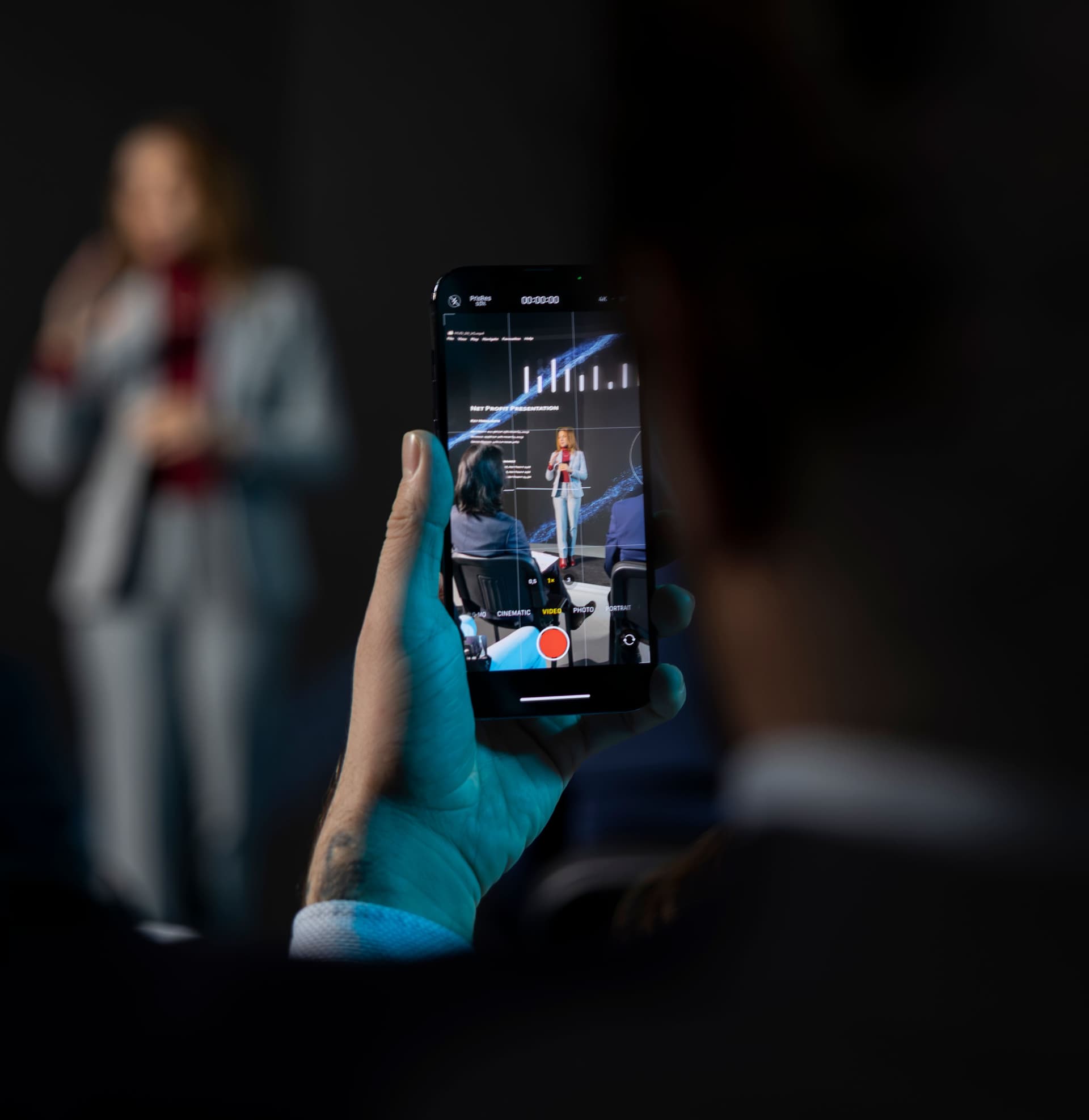
Vertical video as a new language of communication
04/02/2026
read full article
How nostalgia, events, and shared moments help brands build a stronger emotional connection with their audience.
Experiential marketing uses real-world or digital experiences to link a brand with emotion, engagement, and shared moments.
In 2026, nostalgia means more than just replicating retro aesthetics. A more powerful approach recreates a familiar feeling through modern formats, such as video, creator content, and events.
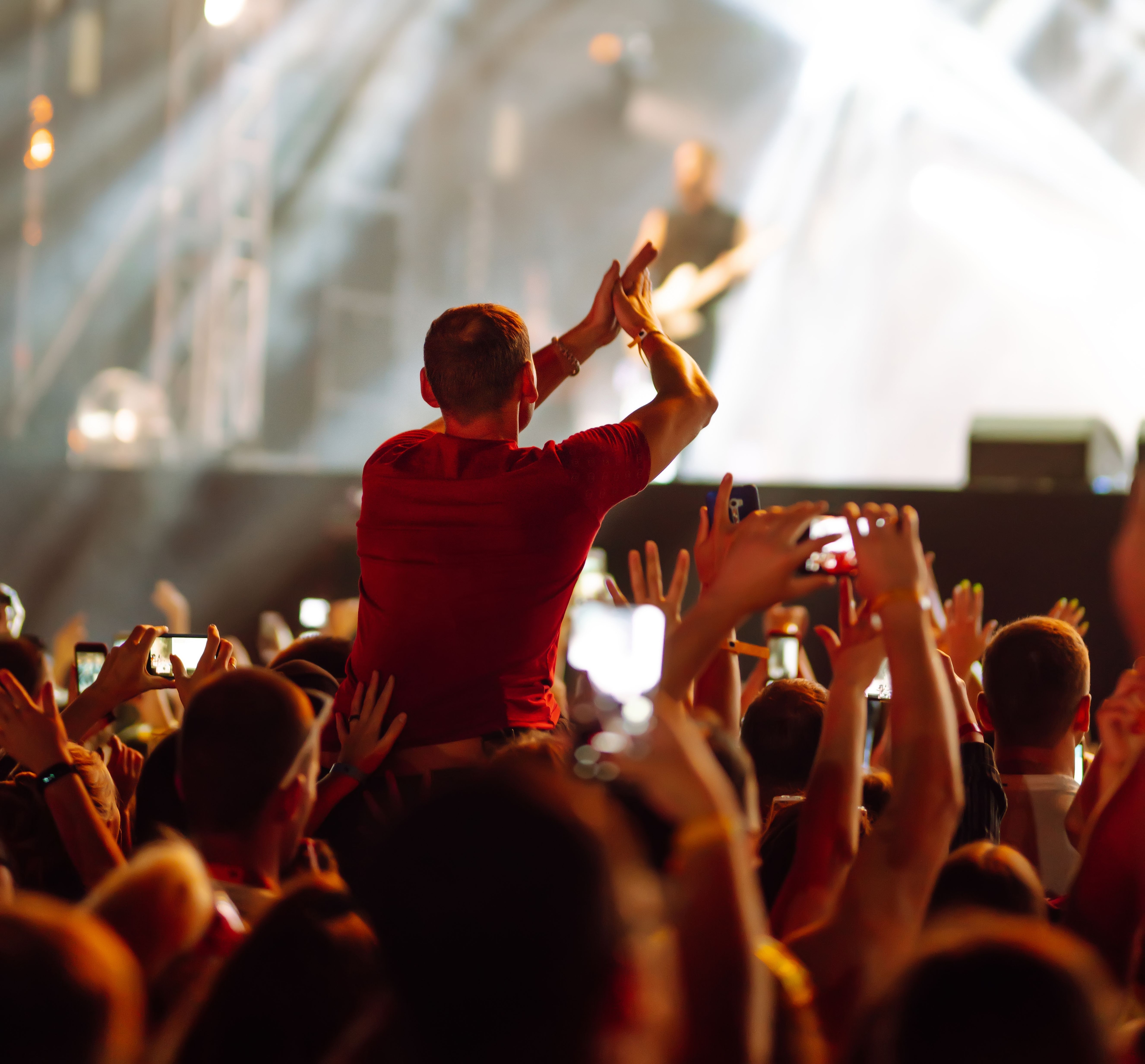
People may forget an advertising message, but they often remember who stood next to them at a concert, what they experienced at an event, or with whom they shared an unexpected moment. This is the realm of experiential marketing. The brand does not merely make a statement; it creates a situation where the audience can feel, share, or interpret the idea.
Nostalgia is a universal language. It is important to distinguish between nostalgia and retro decor. Nostalgia is an emotional connection to a familiar feeling - whether linked to sports, music, a neighborhood, a TV show, a holiday, or a shared memory.

Imagine an older person recognizing a melody from their childhood. A younger person hears it for the first time but experiences it through new content, an event, or a creator. A shared moment emerges between them, even though they do not share the same memory. Thus, nostalgia does not literally bring back the past, it translates it. It is within this translation that a powerful brand idea is born.
An event does not become a strong strategy simply because it is beautifully curated. It requires a clear connection to the brand, a reason for people to attend or participate, and a moment that naturally lends itself to being shared. Details matter, too, when they evoke emotion and help the experience leave a lasting impression.
It leaves behind content, conversations, and a lingering feeling that lives on beyond the venue itself. A nostalgic approach works best when it doesn’t simply copy the past. Familiar themes can be retold through a fresh visual identity, an interactive installation, or a video series that reveals the full story. This allows different generations to connect through a shared idea: some recognize the original sentiment, while others discover it through a contemporary lens.
An event should also be designed to drive content creation. This doesn’t mean turning attendees into mere extras; it means creating natural opportunities for photography, sharing, and conversation. Anticipation builds even before the event begins, thanks to teaser content. During the experience itself, creators, participants, and guests can tell the story from various perspectives via live streams, short videos, and behind-the-scenes footage. Afterward, the conversation can continue through follow-up materials, reactions, and an analysis of the interaction quality.
It’s a summer afternoon. A beverage brand creates an urban event inspired by a familiar ritual. Instead of copying an old advertisement, the team recreates the atmosphere through music, games, and creator diaries. The event has a physical component but also lives on through short videos, conversations, and community-generated content.
Experiential marketing places the experience and participation at the heart of the relationship between the brand and the audience. The difference lies in the individual's role: they are not merely a spectator or visitor, but part of the story.
Nostalgia is not suitable for every brand. It works when there is an authentic connection to a culture, a moment, or a specific audience. Misusing these techniques can come across as superficial and create distance rather than closeness.
The results of an experiential campaign can be tracked through attendance, participation, the quality of content created, mentions, reactions, and subsequent behavior. Crucially, measurement should be linked to the role of the experience itself, rather than just the number of people who saw it.
Shared moments offer brands more than just visibility; they create a context where people can participate and tell the story in their own way. The most powerful campaigns use the past as emotional material but express it through modern formats, relevant creators, and experiences that resonate with the specific audience.
04/02/2026
read full article

29/05/2026
read full article